

13 Vet-Approved Home Remedies to Soothe Your Dog’s Allergies
When your furry friend is constantly scratching, licking, or chewing at their skin, allergies might be to blame. While some dogs suffer from food sensitivities, most allergic reactions are actually caused by things in their environment—like pollen, dust, or even mold. Fortunately, there are plenty of simple, vet-approved remedies you can try at home to help your pup find some relief.
Here are 13 practical ways to ease your dog’s allergies and keep them comfortable year-round.
1. Tweak Their Daily Routine
Start with the basics. If you notice your dog itching after walks or outdoor playtime, try altering your usual route. Sometimes, a different trail or avoiding a certain grassy area can make all the difference. Pay attention to when symptoms flare up—it may help you pinpoint specific triggers like freshly cut grass, blooming plants, or certain surfaces.

2. Reevaluate Their Diet
Food allergies aren’t as common as environmental ones, but they do happen. If your vet suspects a food-related issue, they may recommend switching to a hypoallergenic formula or one with a novel protein, like duck or venison. Introduce new food slowly over 7–10 days to avoid stomach upset, and always choose a diet that meets your dog’s complete nutritional needs.
3. Purify the Air
Airborne allergens like dust mites, mold spores, or pollen can linger inside your home. An air purifier can help reduce these irritants, especially in the areas where your dog spends the most time. Look for one with a HEPA filter for the best results.
4. Oatmeal Baths
An old-school remedy that still works wonders—oatmeal! Colloidal oatmeal (finely ground) added to a warm bath can relieve itchiness and soothe dry skin. You can also find dog-specific oatmeal shampoos that cleanse gently while providing moisture and comfort.
5. Add a Dollop of Yogurt
Plain, unsweetened yogurt is packed with probiotics, which help promote a healthy gut and immune system. A spoonful added to your dog’s meal may support better digestion and help keep yeast infections at bay—especially helpful for dogs with recurring skin issues. Just be sure your dog can tolerate dairy, and steer clear of any added sugar or artificial sweeteners.
6. Try Probiotic Supplements
If yogurt isn’t an option or your dog needs a higher dose, consider a probiotic supplement made specifically for pets. These can help balance the gut microbiome, boost immunity, and reduce allergic responses. They’re especially useful if your dog is on allergy meds that may upset their digestion.
7. Coconut Oil: Inside and Out
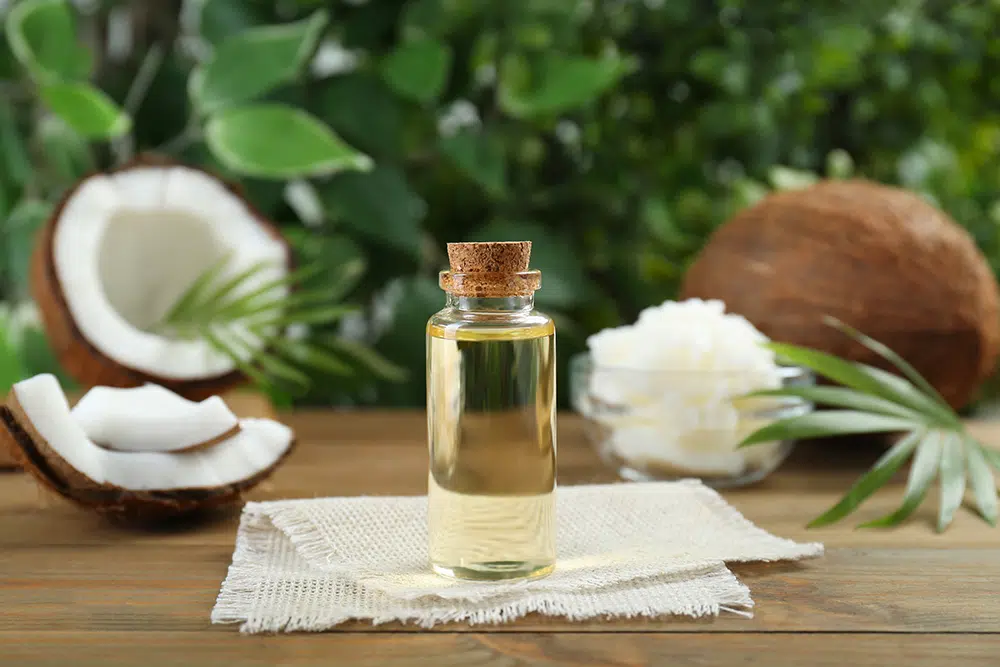
Coconut oil is a gentle multitasker. When applied to itchy spots, it can soothe inflammation and provide much-needed moisture. Plus, it’s safe if licked off in small amounts. You can also mix a little into your dog’s food to support skin health from the inside out.
8. Vitamin E for Skin Support
Vitamin E is a powerful antioxidant that helps repair and protect skin cells. You can buy topical vitamin E oil for direct application or supplements to add to your dog’s routine (ask your vet about appropriate dosages). Some premium dog foods also include this vitamin as part of their formula.
9. Omega-3s From Fish Oil
Fish oil is a go-to supplement for dogs with skin conditions. Rich in omega-3 fatty acids, it can reduce inflammation, calm redness, and promote a glossy coat. Capsules or liquid options are available, and many dogs love the taste when mixed into meals.

10. Aloe Vera Gel
Aloe vera’s soothing properties aren’t just for sunburns. The gel from the plant (or dog-safe commercial versions) can reduce irritation and speed healing when applied to inflamed or dry patches. Just make sure it’s pure aloe vera—no added alcohol or fragrances.
11. Chamomile Tea Spray
Chamomile tea can do more than relax you—it’s great for calming irritated skin in dogs too. Brew a strong cup, let it cool, then pour it into a spray bottle. Spritz it onto itchy spots for a natural anti-inflammatory effect. You can also use a soaked cloth to gently dab problem areas.
12. Soothing Epsom Salt Soaks
Epsom salts (magnesium sulfate) can help reduce swelling and promote healing. Add about half a cup to your dog’s bathwater or soak a clean towel in a diluted solution and press it gently onto irritated skin. It’s a great option for sore paws or localized hotspots.
13. Apple Cider Vinegar: Use with Care
Apple cider vinegar is a popular remedy that may help repel fleas and reduce mild itching. Dilute it 50/50 with water and spray it on itchy areas—avoiding open wounds. It’s not suitable for all dogs, especially those with dry or broken skin, as it can sting. Always test a small patch first and consult your vet before regular use.
Final Thoughts
Helping your dog manage allergies doesn’t always require a trip to the pharmacy. With these simple, vet-approved home remedies, you can often provide significant relief and support your dog’s overall health. Of course, always check with your vet before starting new treatments—especially if symptoms are severe or persistent.
A little extra care and attention can go a long way toward keeping your pup comfortable, happy, and itch-free.

