
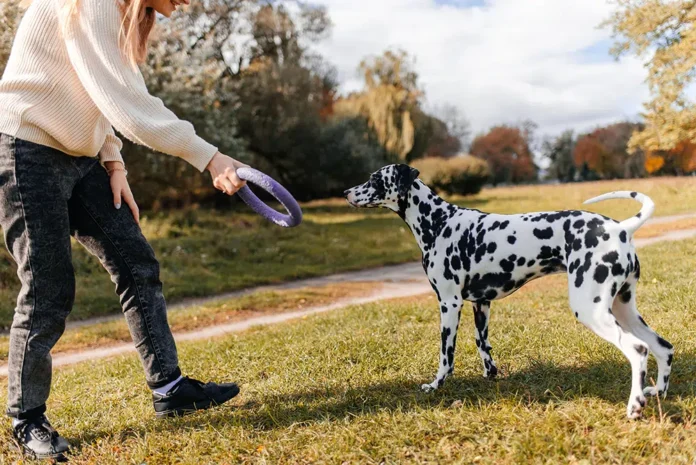
8 Vet-Approved Games to Help Your Dog Build Confidence
Just like people, dogs can have varying levels of confidence. While some pups are naturally outgoing and bold, others might show signs of nervousness, such as clinging to their owners, avoiding unfamiliar people or environments, or becoming easily startled. If your dog tends to shy away from new experiences, don’t worry—confidence is a skill that can be nurtured over time.
The good news? There are plenty of fun, vet-approved games and activities that can help your dog feel more secure and self-assured. These games not only build confidence but also strengthen your bond and bring joy to your pup’s day. Here are eight engaging ways to help your dog become braver and more resilient—one game at a time.
1. Positive Reinforcement Training
Training sessions are more than just a way to teach your dog new tricks—they’re a foundation for trust, communication, and confidence. Using positive reinforcement (praise, treats, and play) encourages your dog to try new things and learn from success.
Start simple with commands like “sit,” “shake,” or “spin.” Each time your dog performs correctly and receives praise or a treat, it reinforces their sense of accomplishment. These little wins help them feel more capable and confident in navigating their world.
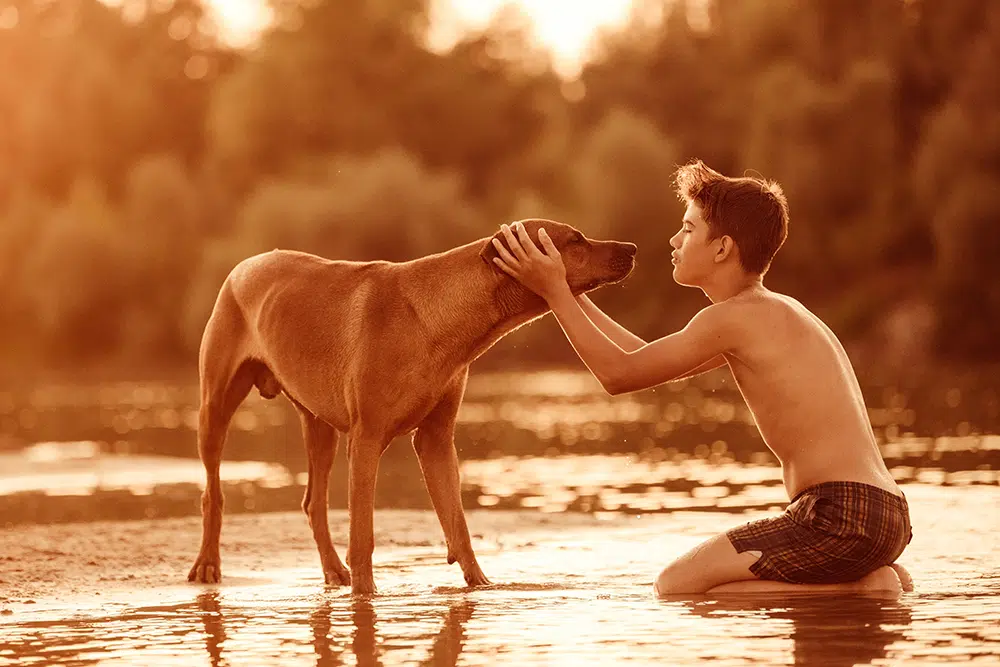
2. Fetch
Fetch may seem like a basic game, but it’s a powerful tool for boosting confidence. The act of chasing, retrieving, and returning a toy gives dogs a sense of purpose and success. Plus, it taps into their natural instincts and gives them an outlet for energy.
To make fetch even more effective, celebrate each return with enthusiastic praise. Not every dog is immediately interested in fetch, so finding the right toy and playing in a calm, low-pressure environment can help even the most hesitant pups enjoy the game.
3. Nose Work (Find the Treat)
Few things excite a dog more than using their nose. “Find the treat” games tap into their natural scenting abilities while also providing mental stimulation and a sense of achievement.
To play, hide small treats around the house or yard—behind furniture, under cushions, or even in cardboard boxes. Start simple by letting your dog watch you hide the treats, then gradually make the game more challenging. The thrill of the hunt and the reward of discovery give a big boost to your dog’s confidence.
4. Touch Training
Touch training teaches your dog to respond to the cue “touch” by gently tapping their nose to your hand or a target. While it may seem like a small action, it’s a powerful confidence booster, especially for dogs that are shy or wary of hands.
Begin by offering your hand near your dog’s nose and rewarding them the moment they make contact. You can later turn this into a fun and focused game that helps your dog feel comfortable approaching new people or objects, reducing anxiety in unfamiliar situations.
5. Free Shaping
Free shaping is a creative training method that allows your dog to make choices and learn through experimentation, without the fear of getting it “wrong.” The goal is to reinforce behaviors that gradually move your dog closer to a desired outcome.
For example, if you want your dog to go under a table, reward them for looking at the table, stepping toward it, and eventually moving underneath. By breaking tasks into small, achievable steps, you empower your dog to take initiative and build confidence in their decision-making.
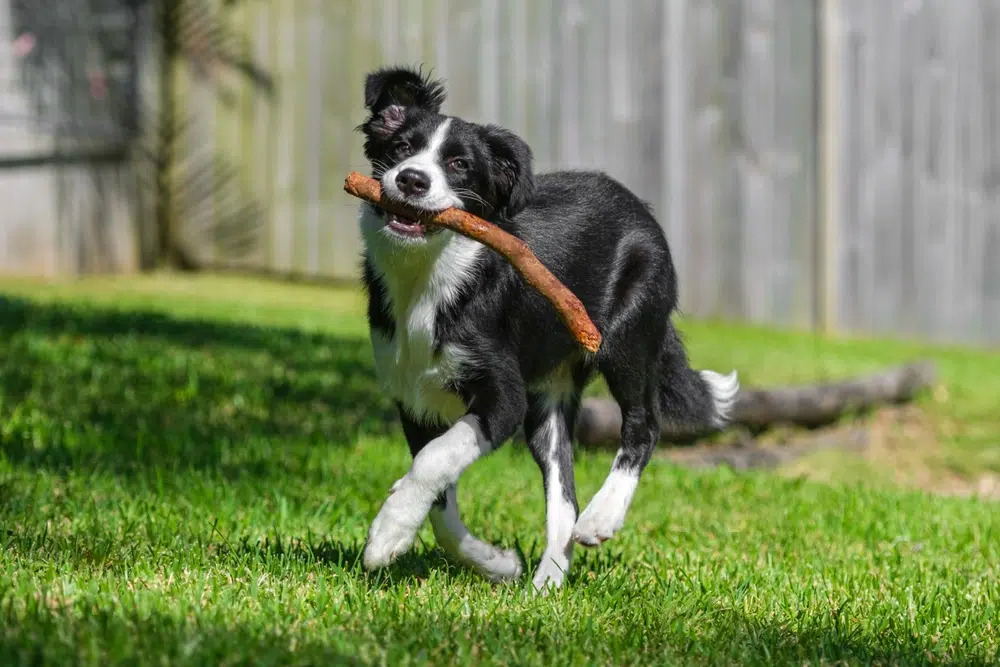
6. Walkie-Talkie Connection
For dogs that struggle with off-leash freedom due to insecurity or reactivity, training collars with walkie-talkie features can provide reassurance and support. These devices allow you to communicate with your dog in real-time, even at a distance, helping them stay connected and confident while exploring on their own.
Of course, this tool should be used thoughtfully and as part of a positive training routine. Hearing your voice from afar can be calming for nervous pups and help reinforce your presence even when you’re not right beside them.
7. Encouraging Exploration
Exploration is a natural confidence-builder. Giving your dog permission to investigate their surroundings freely—without constant correction—helps them feel more secure and curious.
Create safe “exploration zones” using boxes, paper bags, or toys scattered around the room. Reward your dog for engaging with the environment, whether it’s sniffing, pawing, or knocking over a cardboard box. Being present and encouraging as they explore gives them the courage to continue investigating the world around them.
8. Engage/Disengage Game
The engage/disengage game is especially helpful for dogs who react to certain triggers (like other dogs, bikes, or loud noises). This game teaches your dog to look at a trigger (engage) and then voluntarily look away (disengage) to focus back on you.
Each time your dog looks at the trigger and then chooses to look away, reward them with a treat or praise. Over time, this practice reduces reactivity and builds emotional control. Think of it as mindfulness for dogs—teaching them to self-soothe and make positive choices even in stressful moments.
Final Thoughts: Confidence Starts with Connection
Every dog deserves to feel safe and secure in their environment, and confidence-building games are a fantastic way to support their emotional growth. These activities don’t just help your dog become braver—they also deepen the bond you share.
Whether it’s through training, play, or simple exploration, the key is consistency, patience, and lots of positive reinforcement. By encouraging small steps and celebrating progress, you’ll help your dog develop the courage to take on new challenges—and enjoy the journey along the way.

