

Is Dill Safe for Dogs? A Vet-Backed Look at This Herb’s Benefits and Risks
If you’ve ever caught your dog sniffing around the kitchen while you’re chopping herbs, you’re not alone. Many pet owners wonder whether the ingredients they use in everyday cooking are safe for their canine companions. One herb that often comes up in these questions is dill.
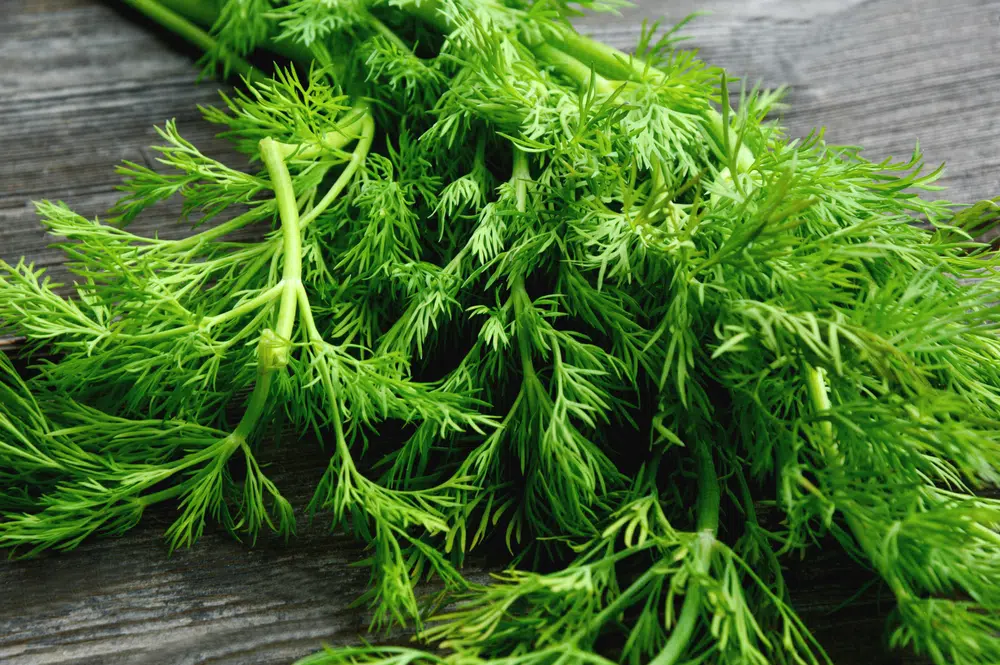
Dill (Anethum graveolens), known for its feathery leaves and distinctive aroma, is a staple in many human dishes—but can dogs eat dill too? The short answer is yes, they can. In moderation, dill is not only safe for dogs but may also offer some health benefits. Let’s explore what makes this herb pup-approved and how you can safely include it in your dog’s diet.
What Is Dill, and Is It Dog-Friendly?
Dill is a member of the parsley family, closely related to herbs like fennel and celery. It’s commonly used in pickling, salad dressings, and fish dishes thanks to its tangy, slightly sweet flavor. For dogs, dill is considered non-toxic and safe to consume in small amounts.
There’s currently no scientific evidence that suggests dill is harmful to dogs. However, as with any new addition to your dog’s diet, it’s always wise to introduce it slowly and in limited quantities. Some dogs may have individual sensitivities, and offering a small amount at first can help you spot any potential issues.
Health Benefits of Dill for Dogs
While dill isn’t essential to your dog’s diet, it can serve as a gentle supplement thanks to its nutritional profile. Here’s a breakdown of what this herb brings to the table:
🟢 Antioxidants
Dill contains natural antioxidants that help combat free radicals in your dog’s body. These molecules can cause cellular damage over time, so antioxidants may play a role in promoting long-term health.
🟢 Vitamins and Minerals
Dill is a source of several micronutrients including vitamin C, vitamin A, calcium, iron, and magnesium. While the quantities are small, they can contribute to your dog’s overall nutritional balance when used as an occasional supplement.
🟢 Digestive Support
Traditionally, dill has been used to aid digestion in both humans and animals. Some holistic practitioners believe it may help reduce gas and soothe upset stomachs—though more research is needed to confirm these effects in dogs.
🟢 Breath Freshener
A fun perk? Dill’s natural oils may help freshen your dog’s breath. While it’s no replacement for proper dental care, adding a sprinkle of dill to meals might offer a minor improvement in oral odor. Still, if your dog’s breath is consistently foul, a vet checkup is essential to rule out dental disease or underlying health issues.
How to Safely Offer Dill to Your Dog
The key to serving dill is to keep it simple and avoid excessive amounts. Here are a few dog-friendly ways to incorporate dill into your pup’s routine:
🌿 Fresh Sprinkle
Chop a small amount of fresh dill and sprinkle it over your dog’s food. Start with no more than a pinch, and gradually increase the amount if your dog tolerates it well.
🍵 Dill Tea
Steep a teaspoon of dried or fresh dill in hot water to make a mild “dill tea.” Once it cools, you can pour a tablespoon over your dog’s meal or mix it into their water bowl. This method is especially gentle for pups with sensitive stomachs.
🍪 Homemade Dog Treats
If you like to bake, consider adding dill to homemade dog biscuit recipes. Just ensure all other ingredients are dog-safe—skip anything with garlic, onion, salt, or artificial sweeteners.
Important Precautions
Even though dill is generally safe, there are a few things to keep in mind before turning your pup into an herbivore:
- Moderation matters. Too much dill can upset your dog’s stomach, especially if they’re not used to herbs in their diet.
- Skip the pickles. Dill in its natural form is fine, but dill pickles are another story. Most pickles contain vinegar, salt, and spices that are not suitable for dogs.
- Check for allergies. While rare, food sensitivities can happen. Monitor your dog after introducing dill and watch for signs like itching, diarrhea, or vomiting.
- Be cautious with essential oils. Never use dill essential oil on your dog or in their food. Essential oils are highly concentrated and can be toxic to pets when ingested or applied to the skin.
When Not to Use Dill
There are a few situations where you may want to skip the dill altogether:
- If your dog has a history of digestive sensitivity, introducing new herbs could trigger an upset stomach.
- Dogs on a special diet or taking medications should not be given dill without consulting a vet, as it could interfere with treatment.
- Pregnant dogs should also avoid herbal additions unless approved by a veterinarian, as some herbs can affect pregnancy.
Final Thoughts: A Tiny Herb with a Gentle Boost
Dill may not be a nutritional powerhouse, but it’s a safe and aromatic way to add a little variety to your dog’s meals. Packed with antioxidants and gentle on digestion, it can be a refreshing addition to your pup’s food—as long as it’s used thoughtfully.
So the next time you’re trimming herbs for dinner, feel free to let your dog enjoy a little dill too. Just remember: a pinch goes a long way, and when in doubt, your vet is always your best guide.

