
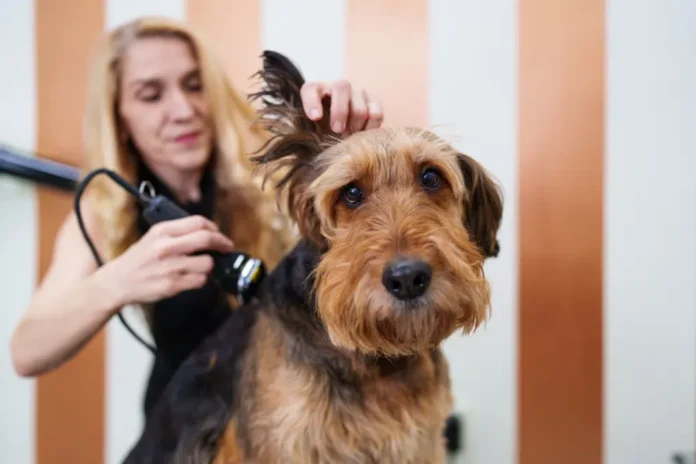
DIY Dog Grooming: 12 Expert-Approved Tips for Keeping Your Pup Fresh and Happy
Grooming your dog at home can be a rewarding experience, not just for you but for your dog as well. Regular grooming between professional visits helps maintain a fresh and tidy appearance while addressing common concerns like matting, dental health, and nail care. Whether you’re keeping up with routine hygiene or just giving your dog a quick freshen-up, these 12 expert tips will help you handle the process with confidence and ease.
1. Keep Calm and Groom On
Your dog is keenly in tune with your emotions, so if you’re stressed, they will be too. Start by creating a calm atmosphere for your grooming sessions. Try desensitizing your dog to the grooming tools beforehand. Gently introduce the brushes, scissors, and clippers—without using them—so your pup becomes familiar with the objects. This simple approach reduces anxiety and ensures that both of you are prepared for the actual grooming process.
2. Treats Make Everything Better
Positive reinforcement is key. Offer treats as rewards for cooperative behavior during grooming. For instance, when your dog gets into the bath or stands still for a nail trim, reward them with a treat. This not only makes the grooming session enjoyable but also encourages your dog to associate grooming with positive experiences. Mastering basic commands like “sit” and “stay” can make this even easier.
3. Be Prepared
Efficiency is essential when grooming your dog. Before you begin, make sure all your supplies are within reach. Have the shampoo, conditioner, towel, nail clippers, toothbrush, and toothpaste ready to go. You don’t want to be running around searching for something while your dog is in the bath. Preparing everything in advance helps the session flow smoothly, minimizing your dog’s time in the tub or being handled.
4. Brush Before You Bathe
Before you even think about getting your dog wet, grab the brush. Brushing your dog before bathing is crucial for eliminating mats and tangles. Wetting matted hair can make it even more difficult to detangle later. Brushing also helps calm your dog down, making them feel more relaxed and prepared for their bath. Plus, it’s a great way to spot any potential health concerns, like irritated skin or pests.
5. Wipes for the Tough Spots
For those hard-to-reach or sensitive areas, wipes are a fantastic tool. Use them around the eyes to clean up tear stains, around the paws if your dog has stepped in mud, and on the belly to remove dirt or debris. Wipes are gentler than trying to scrub these areas in the bath, and they save you time when it comes to more delicate cleaning.
6. Don’t Forget the Teeth
Dental health is just as important for your dog as it is for you. Ideally, you should be brushing your dog’s teeth at least three times a week. Make it part of your grooming routine, and you’ll be helping prevent issues like tartar build-up and gum disease. If you’re keeping up with brushing regularly, you won’t need to worry about it during your grooming sessions, but use the time to reinforce the habit.
7. Trim Those Nails Regularly
While some dogs need their nails trimmed more frequently than others, it’s important to regularly check their claws for growth. Trimming your dog’s nails not only prevents discomfort and potential injury but also helps keep your floors and furniture scratch-free. You don’t need to do it every week, but aim for a trim every few weeks. If your dog regularly runs on rough surfaces, like concrete, their nails may naturally wear down, but it’s still a good idea to inspect them.
8. Bathtime: Keep It Cozy
When it’s time for a bath, make sure the water temperature is comfortable—not too hot, not too cold. Dogs are sensitive to extreme temperatures, so a lukewarm bath is ideal. If your dog is nervous about baths, speak to them in a calm and soothing voice to reassure them. A relaxed dog is more likely to stay still and enjoy the experience.
9. Choose Gentle, Dog-Friendly Products
When selecting grooming products, always opt for those that are specifically formulated for dogs. Human shampoos can be too harsh and may irritate your dog’s skin. Look for hypoallergenic options or gentle formulas designed for your dog’s coat type. Whether it’s a soothing oatmeal shampoo or a nourishing conditioner, the right product can make a huge difference in your dog’s comfort.
10. Pat Dry with Care
After the bath, it’s time to dry off. Rather than vigorously rubbing your dog with a towel, gently pat them dry to avoid causing friction on their skin. If your dog tolerates it, you can use a blow dryer on a low, cool setting to speed up the process. Just be sure not to get the dryer too close to your dog’s skin, as it could cause discomfort.
11. Inspect While You Groom
Grooming is an excellent opportunity to inspect your dog for any changes in their skin, coat, or overall health. Look for bumps, sores, or signs of infection. Check the ears for redness or a foul smell that could indicate an infection. Regular grooming can help you catch potential issues early, so you can address them with your vet before they become more serious.
12. Make Grooming a Positive Experience
Finally, the key to successful DIY dog grooming is consistency and patience. Set a regular grooming schedule that works for both you and your dog, and try to keep each session positive. Use treats, praise, and calm behavior to reinforce the idea that grooming is a normal, enjoyable part of your dog’s routine. The more you do it, the easier and more comfortable it will become for both of you.
In Conclusion
Grooming doesn’t have to be a stressful task for you or your dog. By following these 12 vet-approved tips, you can create a calm, positive grooming experience that keeps your dog looking and feeling their best. Whether you’re trimming nails, brushing fur, or keeping up with dental care, regular grooming helps prevent problems and strengthens the bond between you and your pup.
With a little practice, your dog will start to look forward to these grooming sessions, and so will you!

