
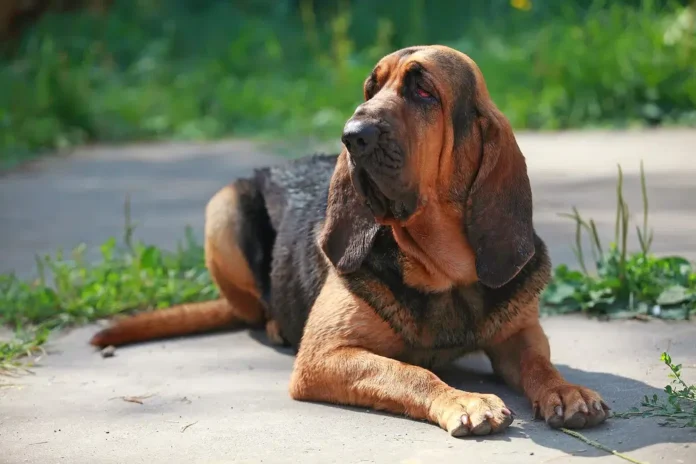
How to Effectively Train a Bloodhound: 7 Key Tips for Success
Training a Bloodhound can be a rewarding experience, but it requires preparation, patience, and a good understanding of how these dogs think. Known for their exceptional scent-tracking abilities, Bloodhounds are intelligent and eager to please, yet their independent nature can sometimes make training a challenge. By approaching the training process with the right mindset and techniques, you can develop a strong bond with your dog while teaching them the skills they need to thrive as a well-behaved companion.
Before diving into training, it’s crucial to understand how dogs, particularly Bloodhounds, learn. This knowledge, along with a few key training strategies, will help you train your dog effectively and create a lasting connection.
1. Preparation is Key: Understand How Bloodhounds Think
Before you begin training your Bloodhound, it’s important to understand their learning process. Dogs do not grasp the concept of delayed cause and effect as humans do. If you wait too long to reward a positive behavior, your Bloodhound may not connect the reward to the action. For example, offering a treat 10 minutes after a good behavior won’t help your dog understand what they’re being praised for.
Instead, you need to provide immediate feedback—either positive or negative—so that your dog can associate the consequence with their action. This immediate connection helps your Bloodhound learn faster and more effectively. Positive reinforcement, such as treats and praise, is the most effective way to encourage good behavior.
2. Start Early with Obedience Classes
When your Bloodhound is still a puppy, it’s essential to begin obedience training early. While Bloodhounds are generally not overly stubborn, their strong instinct to track scents can easily distract them during training sessions. Without proper guidance, they may become fixated on smells rather than listening to commands.
Enrolling in obedience classes provides a structured environment where your puppy can learn basic commands, build focus, and start to develop good habits. Since Bloodhounds are eager to please, they often respond well to a confident and consistent trainer. With early obedience training, you’ll set the stage for a well-behaved adult dog.
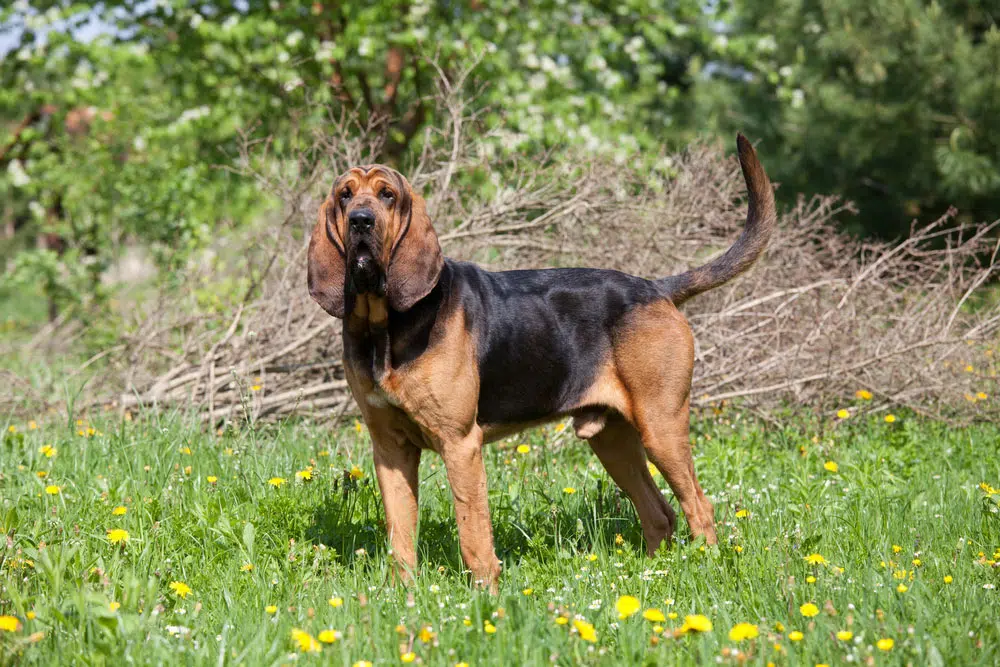
3. Know Your Dog’s Personality
Bloodhounds are inquisitive and independent by nature, which means they often like to take charge. It’s important to establish yourself as the leader in the relationship, setting clear boundaries and expectations from the beginning. Bloodhounds respond best to positive reinforcement, so it’s essential to avoid harsh punishments that could damage your bond.
If you’re too harsh, your Bloodhound may become distrustful or uncooperative. Instead, use rewards such as treats, praise, and playtime to encourage the behavior you want to see. By building trust and showing leadership, you’ll inspire your dog to be more responsive and focused on training.
4. Keep Training Sessions Short and Focused
Bloodhounds, like all dogs, have shorter attention spans than humans. While we can spend hours working on a project, dogs require shorter, more focused training sessions to stay engaged. Long or repetitive sessions may cause your Bloodhound to lose interest, making it harder for them to retain what they’ve learned.
To avoid this, keep training sessions brief—around 5 to 10 minutes each—focusing on one or two commands at a time. Ending each session on a positive note will help keep your dog excited for the next round of training. Consistency and brevity are key to maintaining their attention and ensuring they learn effectively.
5. Use Simple and Consistent Commands
Bloodhounds thrive on consistency, especially when it comes to training. To avoid confusion, always use the same command for the same behavior. For example, if you want your dog to sit, consistently say “sit” each time. Changing your command from “sit” to “down” for the same task will confuse your Bloodhound and slow their learning process.
Also, keep your commands short and straightforward. Dogs don’t understand complex sentences, so use one-word cues like “sit,” “stay,” or “come.” The simpler and more consistent you are with your commands, the easier it will be for your Bloodhound to understand and obey.
6. Start with Basic Commands
While it’s tempting to teach your Bloodhound advanced tricks, it’s best to start with the basics. Before moving on to more complicated tasks, focus on essential commands such as “sit,” “stay,” “come,” and “heel.” Mastering these commands will give your dog a solid foundation of obedience, which you can build on as they become more skilled.
Once your dog has mastered the basics, you can begin introducing more complex commands or even fun tricks. However, it’s important not to rush—taking your time with the basics will lead to a more well-rounded and obedient dog in the long run.

7. Be Patient and Consistent
Training a dog takes time, and the process will have its ups and downs. Bloodhounds are intelligent, but they don’t always grasp new concepts immediately. If you get frustrated or lose your temper, your dog may start to associate training with negative emotions, which can hinder their progress.
Stay patient and maintain a calm, positive attitude during training. Focus on the progress your dog is making, even if it’s small steps. Remember, consistency is key. If you let your Bloodhound break the rules sometimes and follow them other times, they’ll get confused and won’t learn the boundaries you’re trying to set.
Training should be an enjoyable experience for both you and your dog. Take breaks when needed, and make sure your Bloodhound sees training time as a positive and rewarding experience. By focusing on patience and consistency, you’ll build a stronger bond with your dog and set them up for success in the future.
Conclusion
Training a Bloodhound can be a fun and rewarding challenge, but it requires preparation, understanding, and patience. By starting early, using positive reinforcement, and keeping training sessions short and focused, you can help your dog develop into a well-behaved companion. Always be consistent with commands and expectations, and remember that training is a process that takes time. With patience and persistence, you’ll see progress and enjoy the journey of training your Bloodhound.

