
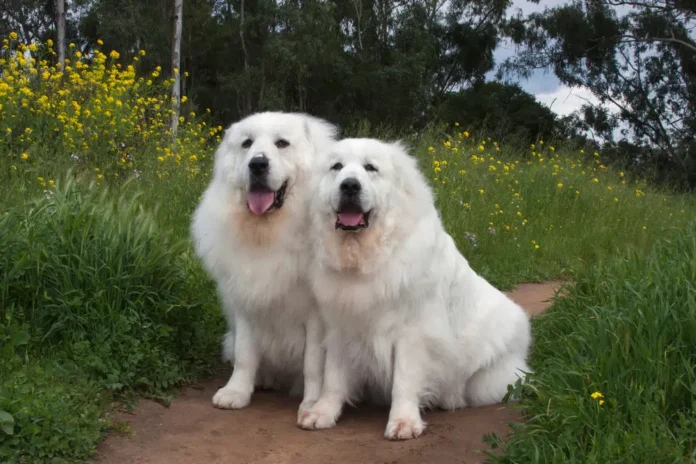
How to Train a Great Pyrenees: 10 Key Tips
Great Pyrenees are beloved for their gentle, protective nature, but their independent temperament can make training challenging. While they are intelligent, they are not quick to learn commands. If you want your Great Pyrenees to become a well-behaved and outgoing pet, here are 10 practical training tips.
1. Be Patient and Positive
Great Pyrenees are smart, but they tend to think independently. When training, avoid frustration and negative feedback. Use positive reinforcement to reward good behavior rather than punishing mistakes.
2. Start with Basic Commands
Although obedience may not be their strong suit, it’s still essential to train basic commands. Practice commands like “sit,” “stay,” and “come” daily to help establish good behavior.
3. Be Consistent and Firm
Set clear behavior standards from the start and stick to them. Inconsistent enforcement of rules can confuse your dog and make it harder to maintain boundaries.
4. Short, Frequent Training Sessions
Because Great Pyrenees may lose interest in long training sessions, keep them brief—around 5 minutes. Ending on a positive note will keep your dog excited for future sessions.

5. Socialization is Crucial
Socializing your puppy early is essential. Arrange playdates with other vaccinated dogs to help your Pyr develop confidence and positive associations with new people and animals.
6. Strengthen Your Bond
While they don’t require excessive exercise, daily walks and interactions will strengthen your bond and make training easier. Spend quality time together to build a trusting relationship.
7. Prevent Resource Guarding
Great Pyrenees may guard resources, especially in multi-dog households. Avoid situations that might trigger possessiveness and manage their environment to prevent conflicts.
8. Give Them a Job
Since they were bred to work, Great Pyrenees thrive when they have a task. Whether it’s patrolling the yard, picking up toys, or doing nosework, giving them a purpose will keep them stimulated and happy.
9. Get Through the Adolescent Phase
Adolescence, usually from 6 to 18 months, can be challenging as behaviors might regress. Stay patient and continue training consistently, reinforcing positive behaviors while gently discouraging undesirable ones.
10. Embrace Their Independence
Great Pyrenees are naturally independent. While they might take time to follow commands, they are still loyal and loving. Understanding their independent nature will make training more effective.
Conclusion
Training a Great Pyrenees requires time, patience, and consistency. By using positive reinforcement, setting clear boundaries, and being patient, you can help your dog become a well-behaved, loyal companion.

