

How to Train a Rottweiler: 7 Essential Tips for a Well-Behaved Companion
Rottweilers are known for their strength, loyalty, and protective nature, making them excellent companions for those who know how to properly train them. While they are eager to please and committed to their families, Rottweilers require consistent and focused training from a young age to avoid becoming unruly. These dogs are powerful, intelligent, and often stubborn, so training them right from the start is key to ensuring they grow into well-behaved, social pets.
To help you navigate the training process, we’ve broken down seven vet-approved tips that will guide you in raising a Rottweiler that is both obedient and a joy to be around.
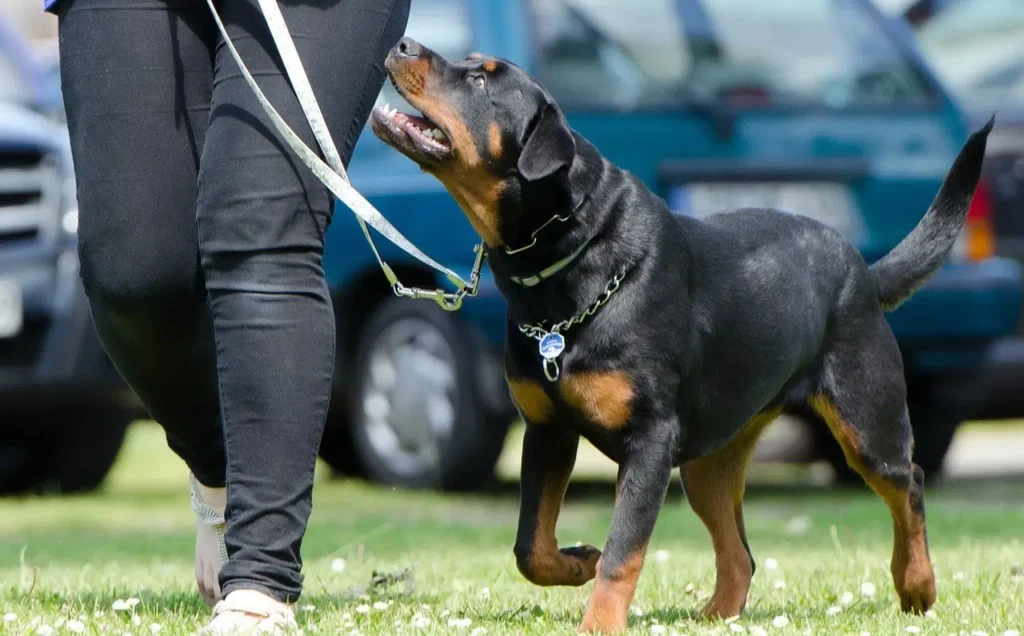
1. Start Training Early
Rottweilers grow quickly and can reach 60 pounds by six months of age, which is why early training is essential. Starting obedience training when your Rottweiler is between 8 and 12 weeks old will make a significant difference in their overall behavior. Puppies are more receptive to learning during this critical period, so the sooner you begin, the easier it will be to shape their behavior.
Don’t wait until they’ve reached their full size to start training—by that time, it could be challenging to handle them effectively. Start with simple commands like “sit,” “stay,” and “come,” and build on those skills as they grow.
2. Socialize Safely
Socializing your Rottweiler is crucial, especially during the first few months of their life. Exposure to other dogs, people, and environments helps them become well-adjusted and less likely to develop behavioral issues. However, during this stage, puppies are vulnerable to infections like parvo and distemper, so it’s important to take extra precautions.
Until your Rottweiler completes their full vaccination schedule at around 16 weeks, limit their interactions to healthy, vaccinated dogs in controlled settings. Once they’ve received their first round of vaccinations, you can begin supervised socialization sessions to help them develop positive associations with other animals and people.
3. Focus on Basic Obedience
Before you dive into advanced tricks, establish a foundation of basic obedience commands. Teach your Rottweiler to “sit,” “down,” “stay,” and “recall” (come when called). These basic commands are essential for good behavior and will make it easier to address any issues as your dog grows.
Keep your training sessions short and enjoyable to maintain your dog’s attention. Ideally, sessions should last no more than 5 to 10 minutes to prevent your Rottweiler from getting bored or frustrated. Be consistent with commands and use positive reinforcement, like treats or praise, to encourage the desired behavior.
4. Consider Puppy Classes
Puppy classes can be a great way to socialize your Rottweiler and provide additional training in a safe, controlled environment. These classes typically require just the first round of vaccinations, so they’re ideal for puppies that haven’t yet completed their full vaccination series.
Puppy classes not only teach basic obedience, but they also give your Rottweiler the opportunity to interact with other puppies. This helps them learn good social skills and reduces the risk of developing aggression or anxiety around other dogs. As an added bonus, puppy classes can provide valuable tips and techniques for you as an owner, ensuring you’re on the right track with your dog’s training.

5. Consistency Over Dominance
The idea of “dominance” in dog training has evolved significantly, and it’s important to understand that Rottweilers do not need to be dominated to be trained successfully. While they are intelligent and independent, they are also highly trainable when handled with respect and consistency.
Rottweilers are motivated by what they want, and they quickly learn how to get their way. This means that if you allow certain behaviors, even occasionally, your dog will continue to test boundaries. Instead of relying on dominance, focus on consistency. Set clear boundaries from the start and enforce them consistently. If you give in to bad behavior once, your Rottweiler will likely repeat it, testing how much they can get away with. Stay firm and consistent, and they will respect your authority.
6. Use Positive Reinforcement
Rottweilers are highly motivated by rewards, so positive reinforcement is key to their training success. Whether you’re rewarding your dog with treats, toys, or verbal praise, make sure the reward is given immediately after they exhibit the desired behavior. This helps your Rottweiler make the connection between the action and the reward.
Avoid using harsh punishment or negative reinforcement, as this can lead to confusion, fear, and a breakdown in the bond between you and your dog. Instead, focus on rewarding good behavior to encourage your Rottweiler to repeat those actions.
7. Stay Patient and Persistent
Training a Rottweiler takes time and patience. While they are intelligent and eager to please, they can also be stubborn and independent. Stay patient, and don’t expect perfection right away. Consistency is key, so make training a regular part of your routine and be persistent in reinforcing positive behaviors.
Remember, Rottweilers are protective and loyal by nature, and when trained properly, they can be wonderful family companions. Stay positive, keep your training sessions short and fun, and always reinforce the behaviors you want to see. Over time, your Rottweiler will learn to trust you as their leader and develop into a well-behaved, obedient pet.
Conclusion
Training a Rottweiler requires commitment, patience, and consistency. Starting early, focusing on basic obedience, and using positive reinforcement will set your dog up for success. Socialize them safely and be consistent in enforcing rules to avoid bad habits from developing. With time and effort, your Rottweiler will grow into a well-trained, loyal, and loving companion you can enjoy for years to come.

