
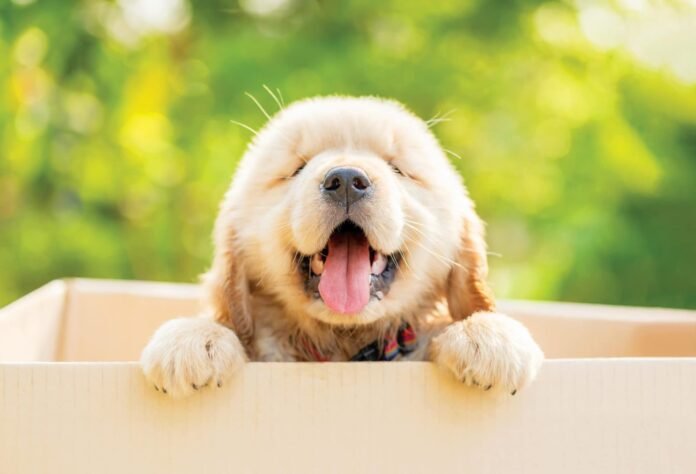
Raising a Puppy: Key Milestones and What You Should Be Doing at Every Stage
Bringing a puppy into your home is the beginning of an extraordinary journey. From those first sleepy days to the exuberant teen phase, each moment is filled with learning, bonding, and growth. Understanding what’s happening during each stage of your puppy’s development can help you nurture a confident, happy adult dog.
The First Two Weeks: All About Sleep and Survival
When puppies are born, they’re completely helpless—unable to see, hear, or even regulate their body temperature. During these early days, their lives revolve around sleeping and nursing. Their only developed senses are touch and taste, and they rely on their mother for everything, from warmth to nutrition.

Transitional Stage: 2 to 4 Weeks
By the end of the second week, magic starts to happen. Eyes begin to open around day 14, and by the third week, puppies can usually hear, smell, and move with more purpose. Their sharp little baby teeth start coming in, and they begin to interact with their littermates. Play behavior like gentle nipping and tumbling starts to emerge.
Weaning and First Bites: 4 to 5 Weeks
At around four weeks, pups begin the weaning process. Though they might still nurse occasionally, they’ll also start eating soft, moistened puppy food. Some moms are ready for a break, while others let their pups nurse a bit longer. It’s a gradual transition from milk to meals.
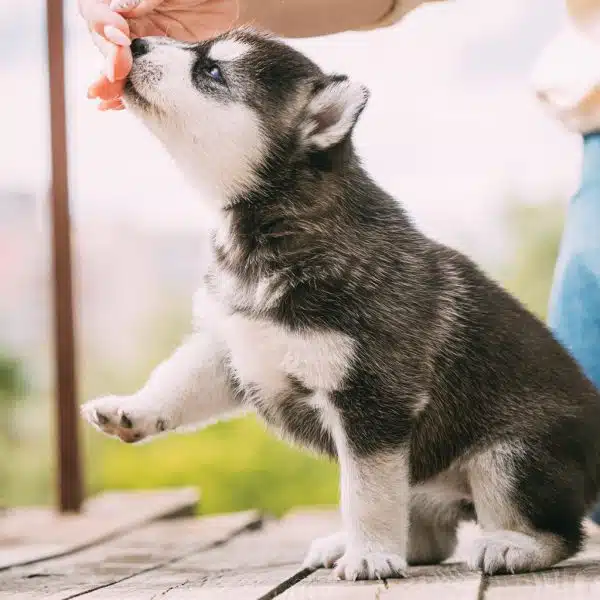
Critical Socialization Stage: 4 to 12 Weeks
This is one of the most important developmental periods in your puppy’s life. From week four through week twelve, puppies are like sponges—absorbing lessons that will shape their behavior for years to come.
While some may assume that once a puppy is eating solid food, they’re ready to leave the litter, the reality is quite the opposite. Between 4 and 8 weeks, puppies need time with their siblings and mom to learn crucial social skills. Playtime teaches bite inhibition (not biting too hard!), body language, and how to read other dogs. Puppies removed too early may become overly mouthy or struggle to relate to other dogs.
First Interactions: 5 to 6 Weeks
At this point, puppies are starting to look outward, becoming curious about people, other animals, and the world around them. This is when reputable breeders and rescue organizations introduce a variety of positive experiences: different surfaces, sounds, people, and safe animals. Each interaction should be enjoyable—paired with treats and encouragement to ensure the puppy forms positive associations. Watch for signs of fear (like yawning, lip licking, or hiding), which can signal a need to slow down and seek guidance.
Ready for Home: 8 to 9 Weeks

Most puppies are ready to leave their litter and join their new families between 8 and 9 weeks of age. But the work is just beginning for you as a puppy parent! The socialization window remains open until around 12 weeks, giving you a precious few weeks to expose your pup to as many new people, sights, sounds, and situations as possible—always in a calm, fun, and safe way.
This is also when you can start basic training. Puppies at this age can begin learning simple commands like sit, stay, and come. Focus on house training, chew toy habits, and gentle handling to prepare them for grooming and vet visits later on. Keep training sessions short—about 10 to 15 minutes—and use positive reinforcement to make learning rewarding.
Testing Limits: 3 to 6 Months
As puppies grow, they become more independent and adventurous. This stage is often when boundaries are tested. Some pups may become fearful of new things if they weren’t well socialized earlier. They may resist going for walks, bark at strangers, or avoid unfamiliar environments.
Consistency is key—continue working on training, socialization, and handling exercises. Be patient as your puppy navigates this period of exploration and learning.
The Teenage Phase: 6 to 18 Months
Your adorable puppy is now a teenager. This stage varies based on breed size: small breeds mature around 12 months, while larger and giant breeds may not reach full adulthood until two or even three years old.
Teenage dogs may challenge your leadership and push boundaries. Hormones kick in—males may lift their legs, and females could go into their first heat. Your previously responsive pup might now ignore your cues in favor of chasing smells. Don’t worry—it’s normal. Stay consistent with training and keep reinforcing good habits.
From Puppy to Companion: The Adult Years
Making it through puppyhood is no small feat—for either of you. It takes time, patience, and a lot of paper towels. But all the training, socialization, and bonding you’ve done in those early months will reward you with a well-adjusted dog who’s a joy to live with.
As you reflect on your pup’s journey—from those first sleepy snuggles to the boundless energy of adolescence—you’ll realize every chewed shoe and nighttime potty break was worth it. And if you’re anything like most dog lovers, it won’t be long before you’re ready to start the whole adventure again—with another puppy.

