
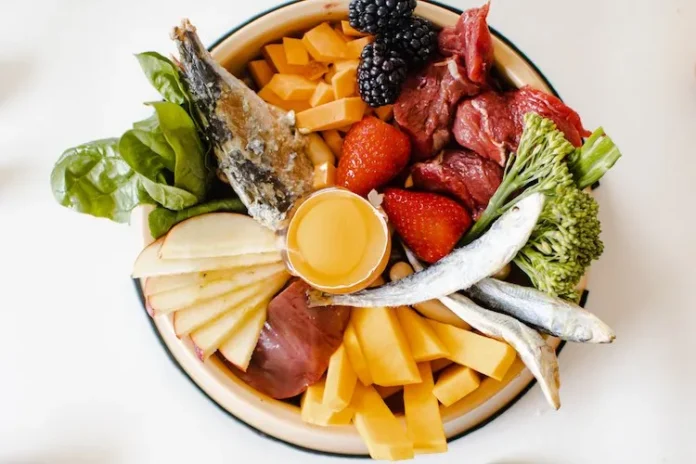
Raw Dog Food for Beginners: The Essential Guide to a Healthy, Natural Diet for Your Pup
If you’re considering switching your dog to a raw food diet but find yourself overwhelmed with thoughts of complexity, time commitment, or costs, it’s time to put those worries to rest. The truth is, feeding your dog raw food can be simpler and more rewarding than you might expect. Let’s break it down and explore why a raw diet could be the best choice for your furry friend, and how you can make the transition with ease.
Why Switch to a Raw Diet?
Before diving into the details of how to feed your dog raw food, it’s important to understand the significant benefits this diet can offer. A raw food diet for dogs is essentially all-natural, packed with the vitamins, minerals, and nutrients that your dog needs for optimal health. Dogs are omnivores with roots in carnivorous eating habits, which means raw meat has always been a natural part of their diet.
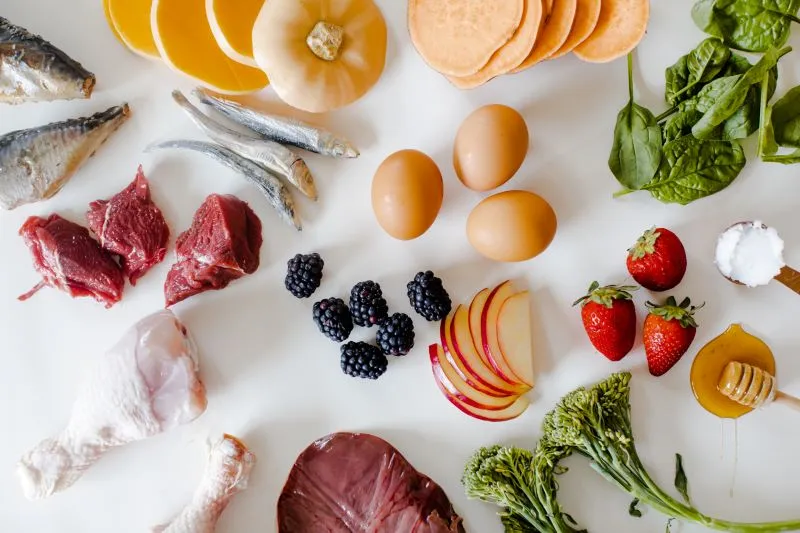
When we look at dogs’ evolutionary ancestors—the wolf—they thrived on raw food, and modern dogs still share 99.8% of their DNA with these wild creatures. While they may not be identical, their dietary needs remain quite similar. In contrast, most commercial pet food today is processed, often cooked at high temperatures to remove bacteria. Unfortunately, this process strips many of the nutrients from the food, making it necessary to supplement them.
A raw diet provides a more direct, natural source of these essential nutrients without the need for processing. It offers an abundance of amino acids, fatty acids, vitamins, and fiber to support digestion and overall health.
Can Dogs Safely Eat Raw Meat?
Yes! Dogs can certainly eat raw meat. In fact, it’s an essential part of their natural diet. However, feeding raw meat exclusively without incorporating other nutrients isn’t advisable. A well-balanced raw food diet for dogs includes a mix of raw meat, eggs, vegetables, and supplements. This combination provides all the necessary elements for a healthy and complete diet, promoting your dog’s long-term well-being.
Many pet parents are drawn to feeding raw meat because it mimics the diet of wolves. However, to ensure your dog’s diet is properly balanced, you should also incorporate vegetables and pet-safe supplements. The addition of these plant-based ingredients helps provide fiber, antioxidants, and essential vitamins that raw meat alone cannot offer.

Understanding the Risks of Raw Meat
While raw meat is safe for dogs, it’s natural to have concerns about harmful bacteria or parasites. To minimize these risks, it’s crucial to handle raw meat properly. Freezing the meat before feeding it to your dog helps kill off any potential parasites and bacteria, ensuring the meat remains safe without losing its nutritional content. Always thaw the meat in the refrigerator overnight, rather than at room temperature, to keep it fresh.
Hygiene is also key. After handling raw meat, wash your hands thoroughly and disinfect any surfaces or utensils that came into contact with the meat. These precautions are simple but essential for maintaining a safe and healthy raw feeding routine.
Can Dogs Eat Raw Vegetables?
Yes, raw vegetables are an excellent addition to your dog’s diet. They’re packed with essential nutrients such as fiber, vitamins, and antioxidants, which support healthy digestion and the gut microbiome. Some vegetables, such as carrots, broccoli, and spinach, can be particularly beneficial for dogs.
For the best nutritional value, it’s advisable to feed vegetables raw. However, some dogs can be picky, and raw veggies might not always be appealing. If your dog isn’t keen on eating raw vegetables, try chopping or grating them into smaller pieces and mixing them with the raw meat to make it more palatable.
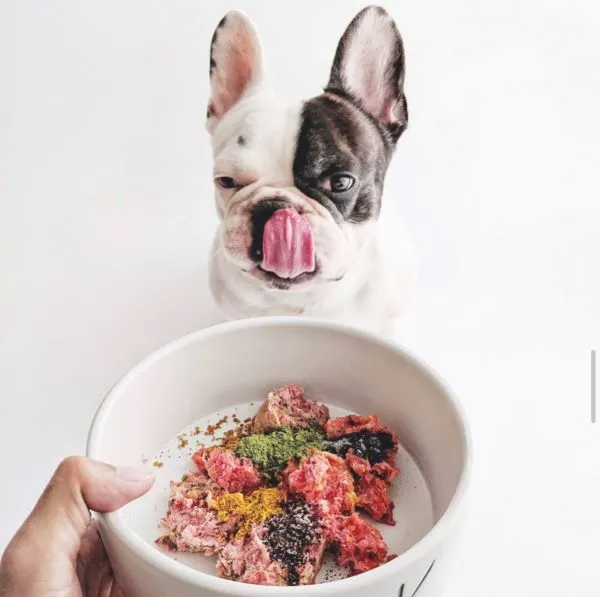
How to Transition to a Raw Dog Food Diet
One of the most common questions from new pet owners interested in raw feeding is how to transition their dog to this new diet. The good news is that the process can be simple, but it’s important to do it the right way.
For healthy, young dogs, the transition can often be done overnight—meaning you can simply swap out their kibble for raw food the next day. However, for older dogs, dogs with allergies, or those who are used to a highly processed commercial diet, the switch should be gradual to avoid digestive upset.
To make a smooth transition, you can start by replacing a small portion of your dog’s current food with raw food, gradually increasing the proportion of raw food over the course of a week to ten days. This slow transition allows your dog’s digestive system to adjust to the change in diet without overwhelming them.
A Simple Raw Feeding Schedule
If you’re new to raw feeding, here’s a straightforward guide to get started:
- Day 1-2: Replace 25% of your dog’s food with raw meat and vegetables.
- Day 3-4: Increase to 50% raw food.
- Day 5-6: Aim for 75% raw food.
- Day 7 and beyond: Your dog should now be fully transitioned to a raw food diet.
This gradual approach ensures that your dog’s digestive system has time to adapt, reducing the risk of upset stomachs or other issues. Keep an eye on your dog’s health during this process and make adjustments as needed, especially if you notice any signs of discomfort.

Conclusion: A Healthier, More Natural Diet for Your Dog
Feeding your dog raw food can seem intimidating at first, but once you understand the benefits, risks, and how to make the transition smoothly, it becomes a manageable and rewarding experience. A raw food diet offers your dog a more natural, nutrient-rich alternative to processed foods, providing them with the essential elements they need for a healthy, happy life.
With a little planning and careful attention to safety, switching to a raw diet can be a wonderful way to ensure your dog gets the best nutrition possible. So, if you’re ready to take the plunge, rest assured that feeding your dog raw food doesn’t have to be complicated—it’s a rewarding choice for both you and your pup!

