
Mini, Standard, or Giant? A Guide to Choosing the Right Schnauzer for You
With their iconic bearded snouts, expressive eyebrows, and loyal personalities, Schnauzers are a breed that captures hearts in all shapes and sizes. But did you know that Schnauzers come in three distinct sizes—Miniature, Standard, and Giant—and each version brings its own personality, needs, and charm?
Whether you’re considering adding a Schnauzer to your family or simply curious about the breed, here’s a closer look at how these three types compare in terms of size, temperament, lifestyle needs, and more. Let’s find the right match for you!
Schnauzer Sizes: From Pocket-Size to Powerhouse
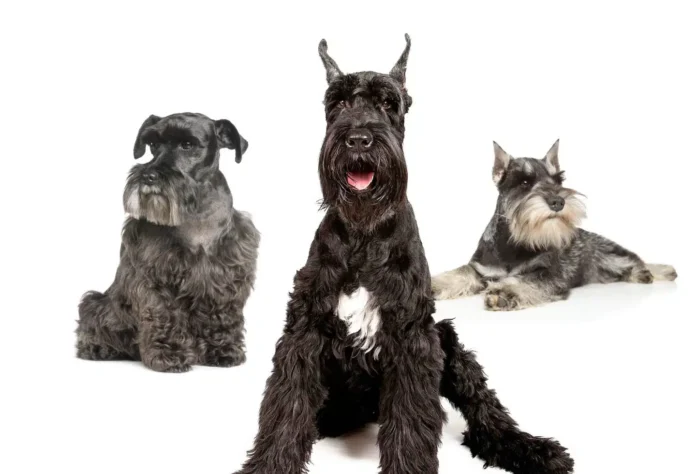
The most noticeable difference between the Miniature, Standard, and Giant Schnauzer is, of course, their size.
- Miniature Schnauzer: Small but mighty, these pups typically stand 12–14 inches tall and weigh between 11–20 pounds. Though compact, they have a sturdy build and exude confidence—often acting like they’re much bigger than they really are.
- Standard Schnauzer: Considered the “original” Schnauzer, Standards are medium-sized dogs, standing around 17–20 inches and weighing 30–45 pounds. They strike the perfect middle ground—not too big, not too small.
- Giant Schnauzer: Towering at 23–28 inches and weighing between 55–85+ pounds, the Giant Schnauzer is the heavy-duty member of the family. Muscular and commanding, these dogs were built for work and protection.
Personality Profiles: What to Expect from Each
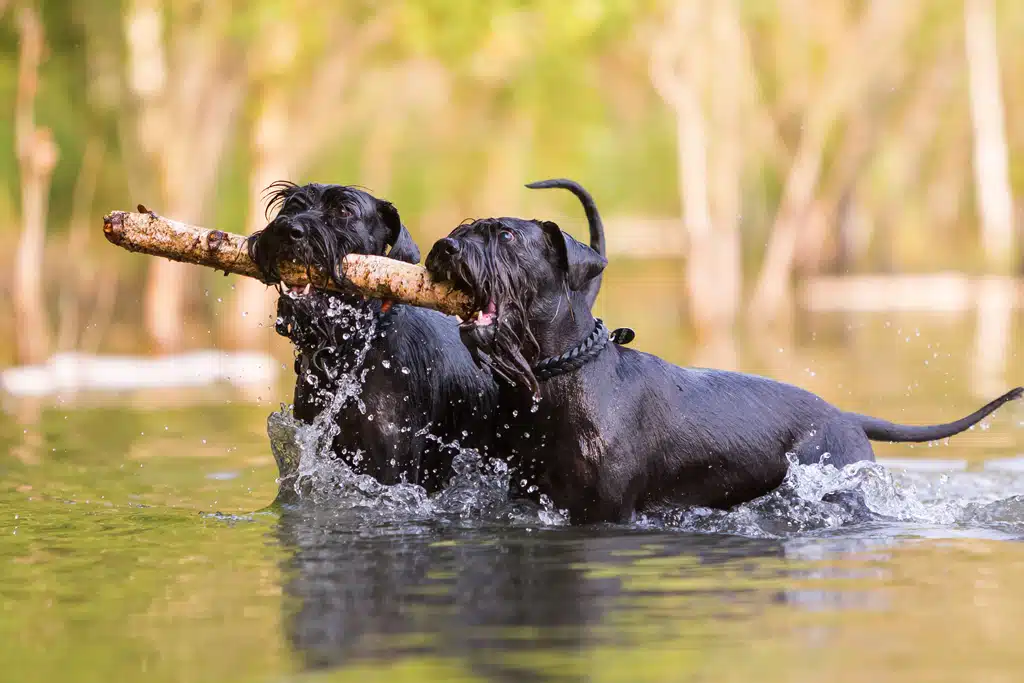
Despite their shared lineage, each Schnauzer size has its own personality, shaped by the jobs they were bred to do.
- Miniature Schnauzer: Spunky, alert, and deeply affectionate, Minis bring big energy in a small package. Originally bred as farm ratters and watchdogs, they’re brave, vocal, and love being part of the family action. Their bold nature means they can be a bit bossy—but their loyalty and charm are hard to resist. Great for smaller living spaces, they adapt well to apartment life.
- Standard Schnauzer: Loyal and smart, Standards are known for their deep devotion to family. While more serious than their Mini counterparts, they’re still playful and social. With their roots in guarding and herding, they make excellent watchdogs. Standards do best with confident owners who can guide their protective instincts through training and socialization.
- Giant Schnauzer: Giants are confident, courageous, and intensely loyal. Originally bred for herding livestock and later used in police and military roles, they are highly intelligent and independent. With strong protective instincts, they require early socialization and consistent, firm training. While affectionate with their family, they can be wary of strangers and need a calm, experienced handler.
Exercise Essentials: Keeping Those Schnauzer Legs Moving
Each Schnauzer, regardless of size, needs physical activity and mental stimulation—but the level of intensity varies.
- Miniature Schnauzer: Energetic but manageable, Minis enjoy daily walks and playtime. They’re satisfied with moderate activity and often entertain themselves indoors. Mental stimulation—like training games and interactive toys—will keep their clever minds happy.
- Standard Schnauzer: Standards need more action. Long walks, runs, and mentally engaging games like puzzle toys or agility courses help burn off their abundant energy. Without enough stimulation, they can become bored and mischievous.
- Giant Schnauzer: Giants are athletes at heart. They thrive on physically demanding activities like hiking, running, or even canine sports. Daily exercise isn’t optional—it’s a must. They need a dedicated, active owner who can match their endurance and drive.
Grooming Guide: The Schnauzer Coat Code
All Schnauzers sport a distinct wiry coat and stylish beard, but grooming demands vary depending on the size.
- Miniature Schnauzer: Their dense, wiry coat requires brushing a few times a week and grooming every 4–6 weeks. Regular trimming or hand-stripping keeps their coat healthy and reduces matting. They’re considered low shedders, making them a good option for allergy-sensitive households.
- Standard Schnauzer: Similar in texture to the Miniature, the Standard’s coat also requires regular upkeep. Hand-stripping is ideal, especially for show dogs, but many pet owners opt for clipping. Weekly brushing and consistent grooming appointments are key.
- Giant Schnauzer: With more surface area to cover, grooming a Giant takes time and dedication. Their thick coat mats easily, so frequent brushing and professional grooming every 4–6 weeks is necessary. They need the most maintenance of the three.
Health Check: Breed-Specific Concerns
Each Schnauzer type has its own potential health risks, which responsible owners should be aware of.
- Miniature Schnauzer: Prone to issues like pancreatitis, “schnauzer bumps” (small skin growths), and urinary or kidney problems. A balanced diet and regular vet visits help prevent complications.
- Standard Schnauzer: Generally robust, but can be at risk for hip dysplasia, skin allergies, and diabetes. Keeping them active and maintaining a healthy weight can help mitigate these issues.
- Giant Schnauzer: Larger breeds often face more serious concerns. Giants are susceptible to hip dysplasia, bloat (a life-threatening stomach condition), and certain heart diseases. Because they grow rapidly, it’s important to avoid strenuous activity during puppyhood. Their average lifespan is shorter—typically 10 to 12 years—so proactive health care is vital.
Which Schnauzer Is Right for You?
Choosing between a Miniature, Standard, or Giant Schnauzer comes down to your lifestyle, experience, and what you’re looking for in a companion:
- Miniature Schnauzer: Perfect for families, apartment dwellers, and those who want a small, lively dog with a big personality.
- Standard Schnauzer: A well-balanced choice for those wanting a loyal, active family dog with strong protective instincts.
- Giant Schnauzer: Ideal for experienced dog owners who are ready to meet the breed’s high physical and mental demands—and who want a serious, hardworking companion.

